Why People Continue Watching After Their Turn Is Over
15 August 2026 | 284
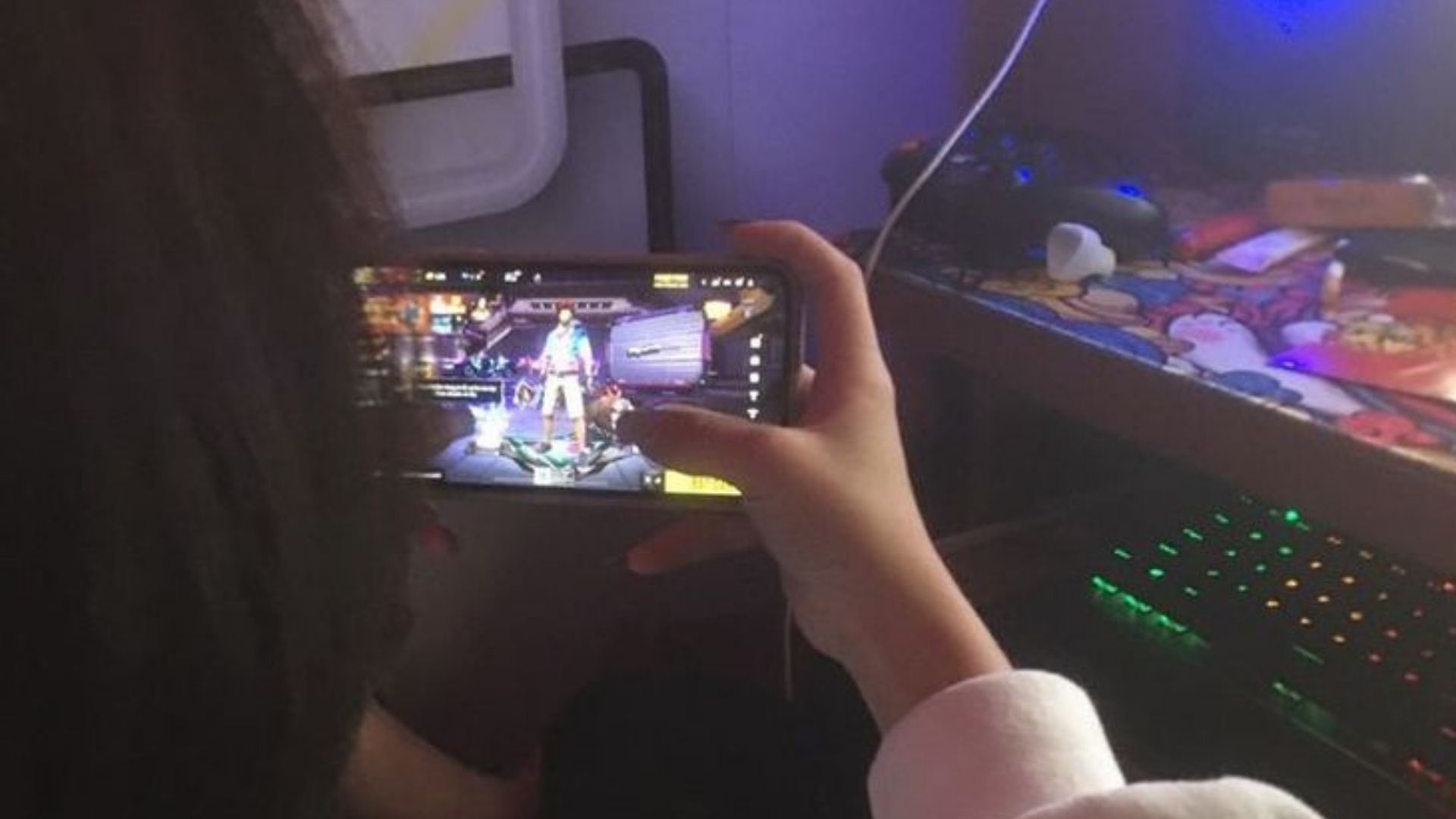
In many multiplayer games and interactive live events, a fascinating behavioral trend emerges once an individual finishes their active participation. Instead of immediately leaving the platform or walking away from the screen, a significant number of players choose to stay and observe the remaining action. This curious phenomenon highlights how shared digital experiences can hold onto an audience long after their personal contribution has concluded.
The Psychological Grip of Unresolved Competition
When individuals invest time and energy into a competitive round, their emotional connection to the outcome stays active even after they are eliminated or finish their turn. The human mind naturally seeks closure, driving observers to see how remaining participants handle the same challenges they just faced. This ongoing investment shifts the player from an active competitor into an analytical spectator who wants to compare their own performance against others.
Furthermore, watching the remaining players offers a unique form of validation or learning. Spectators can analyze the mistakes of others to refine their own strategies for future rounds. This subtle transition from playing to learning keeps the brain engaged, ensuring that the entertainment value remains high even without direct interaction.
The Social Dynamics of Shared Spectatorship
Group mechanics play a massive role in keeping audiences glued to their screens during downtime. Live community chat rooms, shared group calls, and real-time reactions transform a solo viewing session into a collective social event. People enjoy celebrating sudden victories or discussing dramatic failures with fellow community members who share the same passion.
This community aspect is highly apparent across major online gaming platforms and streaming networks. For instance, enthusiasts tracking live events often stay back to discuss statistics or enjoy the shared tension of a close match. Many individuals engaging with digital platforms like m88 cá cược thể thao trực tuyến find that the shared excitement of live sports tracking remains highly compelling throughout the entire broadcast.
Vicarious Thrills and Empathy in Gaming
Another major reason behind prolonged viewership is the concept of vicarious engagement, where people experience emotions through the actions of others. Watching a highly skilled player navigate a difficult situation triggers a sense of empathy and excitement that mimics actual gameplay. This neurological response allows passive viewers to feel the same adrenaline surges as the active participant.
Game developers frequently design modern user interfaces to enhance this exact spectator experience. Advanced camera angles, detailed statistical overlays, and highlight reels ensure that sitting on the sidelines feels just as dynamic as being in the match. By elevating the aesthetic value of the broadcast, creators successfully minimize the boredom usually associated with waiting.
Breaking the Routine of Continuous Play
Finally, continuing to watch after a turn ends provides a necessary mental break without completely disconnecting from the entertainment environment. Constant active decision-making can lead to cognitive fatigue over extended periods. Stepping back into a passive viewing role allows players to recharge their mental energy while still enjoying the overall atmosphere.
This balanced cycle of intense action followed by relaxed observation creates a highly sustainable entertainment loop. It turns a simple game into a broader media experience that respects the player need for both challenge and rest. Ultimately, people keep watching because modern digital environments have perfected the art of turning casual players into dedicated fans.