Why Automated Systems Feel Different From Traditional Dealing
16 August 2026 | 232
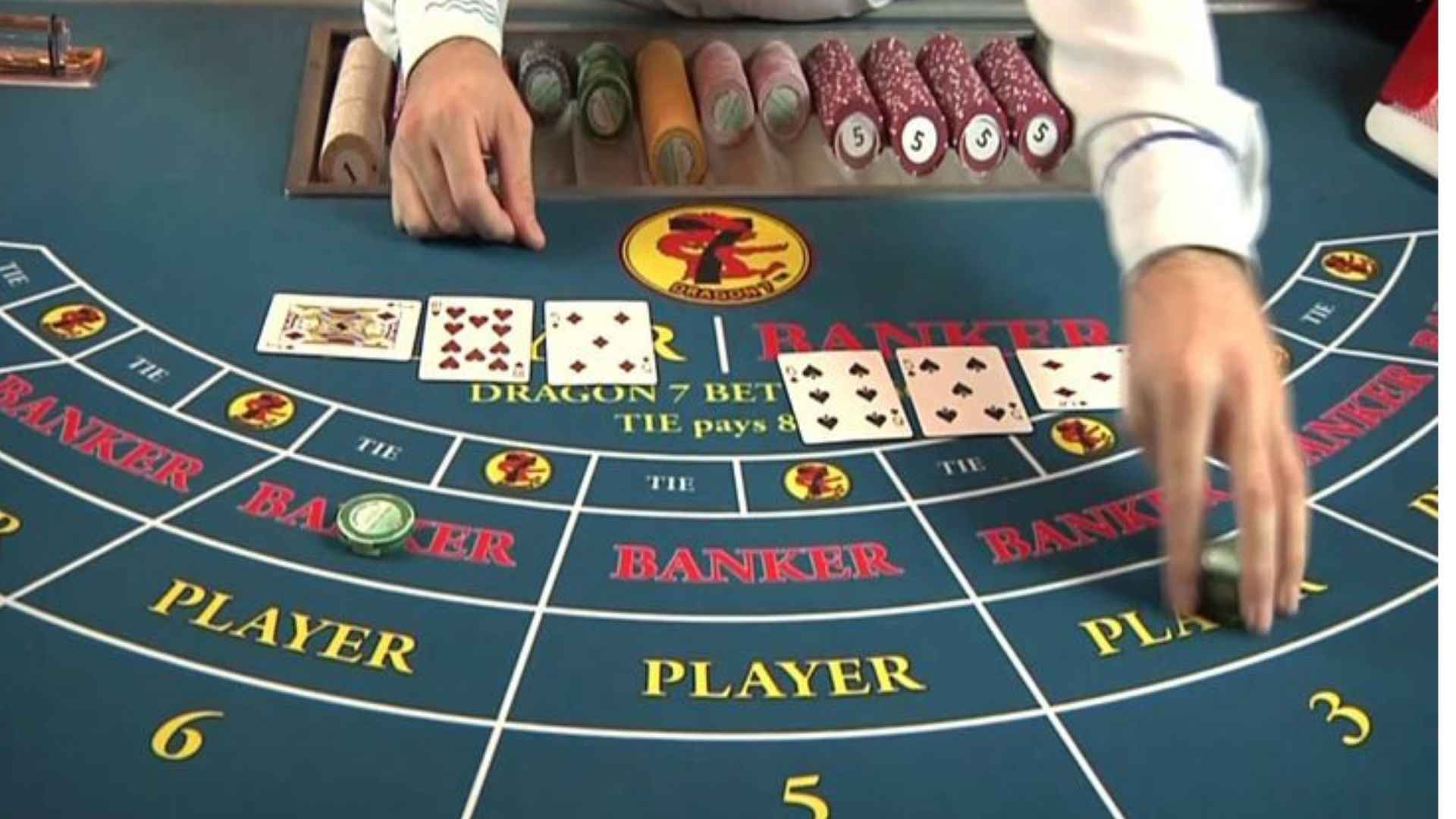
The transition from manual card distribution to digitized solutions has fundamentally altered the psychological and operational rhythm of modern casino gaming. While traditional table games relied heavily on human touch, physical micro-expressions, and sensory cues, algorithmic management prioritizes mathematical consistency and instant result generation. This mechanical evolution introduces a distinct atmosphere that alters how participants perceive risk and fairness during active sessions.
The Acceleration of Transactional Speed
Traditional tables operate on a human timeline where physical shuffling, cutting, and placing of wagers create a natural pause between rounds. Automated platforms eliminate these structural interludes by utilizing complex random number generators that complete a deal in a fraction of a second. This significant change in transactional velocity minimizes the time available for analytical reflection and alters the emotional baseline of the room.
Because electronic setups run continuously without fatigue, the psychological weight of consecutive losses can accumulate much faster than in conventional spaces. Participants often find that the quick distribution leaves little room for the tactile rituals that historically helped players manage their pacing. This shift from physical interaction to rapid software execution redefines the fundamental nature of tabletop engagement.
The Removal of Tactile Feedback and Human Presence
In a historic gaming hall, the physical handling of cards and chips provided sensory confirmation that grounded the wagering experience. Players looking to explore modern variations of these classic setups can visit m88 mansion to see how contemporary platforms translate these traditional dynamics into sleek virtual environments. However, replacing a live croupier with a graphic interface alters how trust and observational strategies are applied during a round.
Without a visible dealer managing the deck, participants must shift their focus from physical tells and personal rapport to software interface mechanics. The absence of a shared physical space removes the subtle communal camaraderie that often forms among players facing a common house advantage. Consequently, the relationship becomes strictly individual, turning a collective social event into an isolated numerical simulation.
Algorithmic Predictability Versus Physical Variance
Manual dealing introduces slight physical irregularities, imperfect shuffles, and environmental factors that contribute to the authentic unpredictability of traditional gaming. Automated platforms eliminate these organic variations by enforcing absolute mathematical randomness through strictly audited code structures. While this guarantees regulatory compliance, it removes the historic charm of tangible table imperfections that veteran players often studied.
The rigid logic of digital systems creates an environment where tracking statistical outcomes feels fundamentally different from watching physical elements interact. For many enthusiasts, knowing that an unyielding software architecture determines the result changes how they calculate their choices and approach long-term risk. Ultimately, understanding these structural differences helps modern participants appreciate the unique values of both historic customs and automated innovations.